The War Nobody Voted On
Eight months in, the Iran war has cost more than $47 billion and 23 American lives. Congress never approved it, and most Americans have opposed it from the start.
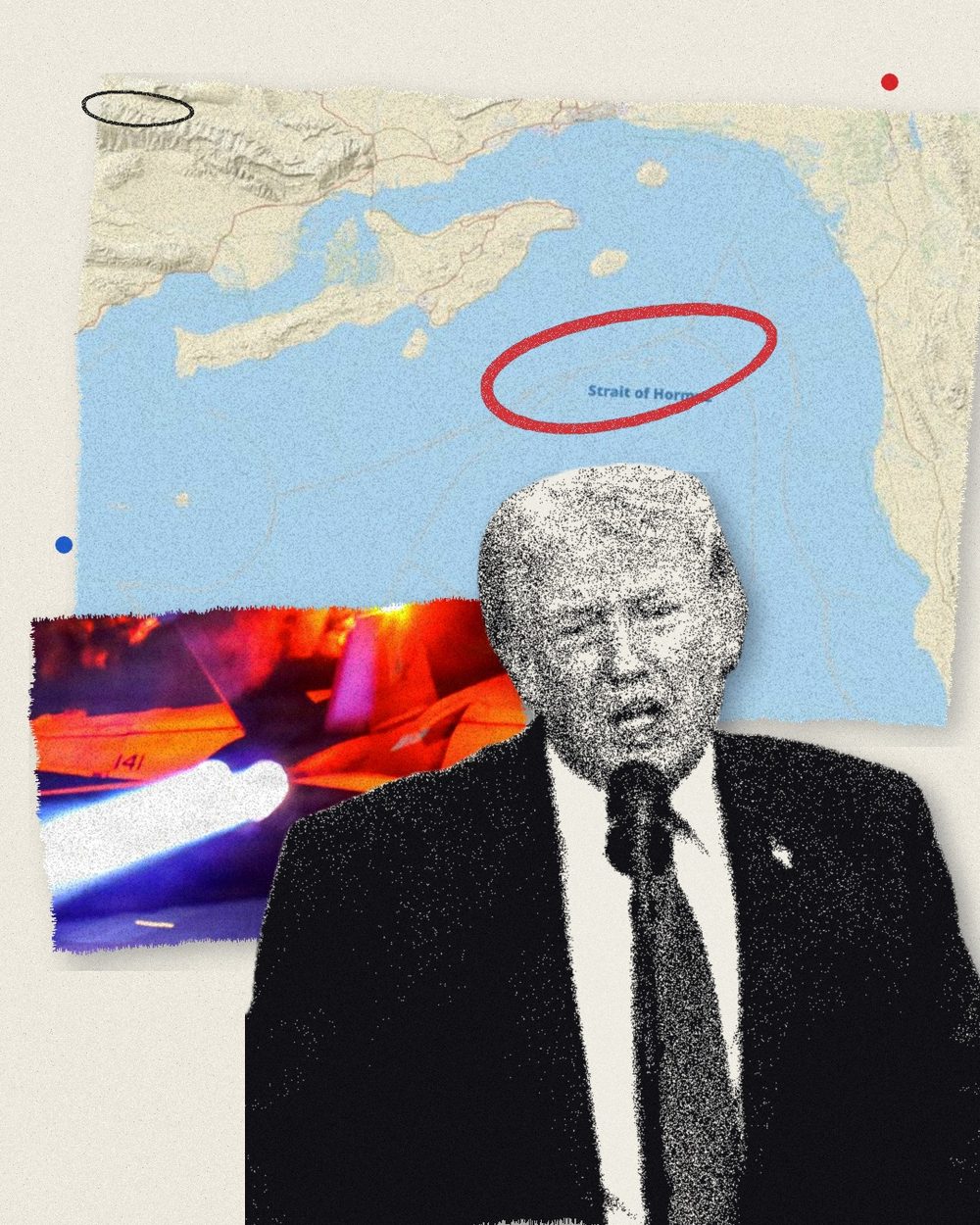
On Feb. 28, the United States and Israel launched hundreds of air strikes across Iran. The American side of the attack was called Operation Epic Fury. The strikes killed Iran's supreme leader, Ali Khamenei, along with other senior officials, and they came while American and Iranian negotiators were still holding talks over Iran's nuclear program. President Trump predicted a short conflict, Reuters reported.
 Eight months later, the war is still going. On Oct. 23, at a rally in Fort Myers, Florida, Trump told supporters, "We may do another little Epic Fury." He added that Iran could avoid it: "If they're smart, they'll just say, let's get down to business," according to Political.org.
 Iran answered the first strikes almost immediately. It fired missiles and drones at Israel, at American bases and at its Gulf neighbors, hitting targets in Bahrain, Kuwait, Qatar, Saudi Arabia and the United Arab Emirates. It also choked off the Strait of Hormuz, the narrow waterway between Iran and Oman that a large share of the world's oil passes through. Iran's clerics named Khamenei's son, Mojtaba Khamenei, as the new supreme leader. Instead of collapsing, the government dug in.
 What followed was a cycle of fighting and failed diplomacy. A ceasefire began on April 8, but talks in Islamabad led by Vice President JD Vance broke down days later, and the United States began a naval blockade of Iranian ports. In June, the two sides signed a memorandum to reopen the strait and stop exchanging attacks. It lasted about three weeks. On July 8, Iran attacked commercial ships in the strait, the ceasefire collapsed, and the blockade resumed on July 14.
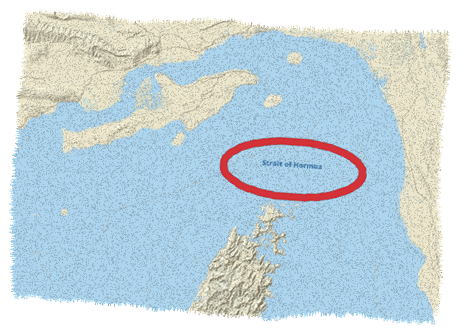 The blockade has grown more aggressive since then. U.S. forces have moved from turning ships away to firing on them: by mid-October, they said they had disabled four commercial vessels and turned back 135 more. On Oct. 10, an American fighter jet struck a cargo ship that ignored warnings after leaving an Iranian port, while a tanker caught fire in the strait after being hit by an unknown projectile. Shipping through the Gulf remains dangerous, and the Pentagon has warned that clearing Iranian mines from the strait could take six months.
The costs keep climbing. According to Pentagon data obtained by Reuters, the war has cost the United States more than $47 billion, up from an estimate of $37.5 billion in July. More than $29 billion of that is the cost of replacing missiles and bombs used up in the fighting. The human cost is higher. The Pentagon now counts 23 American service members dead and 865 wounded. Thousands of Iranians have been killed, including more than 1,700 civilians by the count of the human rights group HRANA, and the war has spread into Lebanon, Iraq and Yemen.
Americans have felt it at the pump. Iran's grip on the Strait of Hormuz caused one of the biggest disruptions to the world's oil supply on record. Even after the June deal, the national average for a gallon of gas was still $3.90, and analysts warned that prices may not return to pre-war levels until 2027. Higher prices for gas and groceries are one reason Trump's approval rating has fallen to the lowest point of his second term.
 Through all of this, Congress has never voted to authorize the war. The Constitution gives Congress the power to declare war, and the War Powers Resolution lets lawmakers force a president to pull troops out of hostilities they haven't approved. Lawmakers have tried. In June, the Senate voted 50 to 48 for a resolution directing Trump to remove U.S. forces from the fight against Iran, with four Republicans joining most Democrats. The White House said the vote had "no significance." When the House passed another resolution in July, the Senate rejected it 47 to 49. None has become law.
The public has been skeptical from the start. A month into the war, 59% of Americans told the Pew Research Center that using military force had been the wrong decision. By June, just 34% approved of the military action in a Gallup poll, lower than support for any U.S. military action Gallup has measured since the 1980s. Young people are the most opposed: only 15% of Americans ages 18 to 34 approved. Republicans remain the war's strongest supporters, at 79%.
Supporters of the war argue that it was necessary. Trump has said that keeping Iran from building a nuclear weapon was worth "a price to pay," and administration officials point to the damage done to Iran's nuclear sites, navy and missile forces. Critics, including some Republicans, say the war has no clear goal or end, and that a fight this costly should have been debated and approved by Congress before it began.
What happens next may depend on Tuesday. Trump said earlier in October that he would not attack Iran before the midterm elections, and reports say American and Israeli officials have drafted plans for renewed strikes that could begin after Nov. 3. If Democrats win the House, they would have more power to investigate the war and to hold up the money to pay for it. Either way, a war that began with a promise to be short is heading into its ninth month with no end in sight.
Photos: The White House/Daniel Torok; U.S. Navy; The White House/Emily J. Higgins; khamenei.ir (CC BY 4.0). Map: OpenStreetMap contributors / Wikimedia Commons (CC BY 4.0). Capitol photo: Ron Cogswell / Wikimedia Commons (CC BY 2.0).
Write for Youth Outsider. Join the staff, or pitch a single piece as a guest.
Get involved